Summer in Wood River can be unforgiving. When your aging system starts to sputter or your energy bills climb without a clear reason, replacing the air conditioner moves from a wish to a necessity. Budgeting that replacement is more than penciling in a sticker price. It is about understanding the work, the real costs that show up on the invoice, and the choices that change both performance and long-term expense. Below I walk through the expenses most homeowners face, the decision points that alter the budget, and practical ways to avoid surprises while getting a reliable, efficient system installed by a qualified HVAC contractor in Wood River.
Why the numbers vary so much
Two houses that look identical from the street can require very different investments to cool. The cost of AC installation depends on what is behind the walls, the size and age of the home, the ductwork condition, whether the job requires electrical upgrades, and the equipment efficiency you choose. Local labor rates and permit requirements in Wood River also affect the bottom line. Expect a range rather than a single number, but you can tighten that range by doing a few diagnostic steps up front.
Typical price ranges and what they cover
A practical budget range for a new central air conditioning system in a typical single-family home in the Wood River area is roughly $4,000 to $10,000. The lower end represents straightforward replacement of an outdoor condensing unit with a like-for-like capacity and minimal changes to existing ducts and electrical. The higher end reflects full-system replacements, higher-efficiency equipment, or homes that need duct modifications or electrical service upgrades.
Breakdown of the major cost buckets
Equipment. The outdoor condensing unit and the indoor coil or air handler are the headline items. Equipment quality, brand, and SEER rating influence the price. A basic, reliable mid-efficiency system often sits in the mid thousands, while a high-efficiency unit with variable-speed components pushes the cost higher. Consider the energy savings: a jump from 13 SEER to 16 SEER typically lowers electricity use, but payback depends on your usage pattern and local electric rates.
Ductwork and airflow. Duct repairs or sealing can add several hundred to a few thousand dollars. Poorly sized or leaky ducts eat efficiency and produce uneven cooling. When a technician finds badly sealed joints, collapsed duct sections, or under-sized runs, addressing those issues becomes essential for a successful installation.
Electrical work. Older homes may require a new 240V circuit, a larger breaker, or even an upgraded service panel. Expect electrical costs to range from a few hundred dollars to over a thousand, depending on complexity.
Permits and inspections. Wood River, like many municipalities, may require permits for HVAC replacements. Permit fees themselves are modest relative to equipment, but scheduling and inspection timelines can affect when the work can be completed.
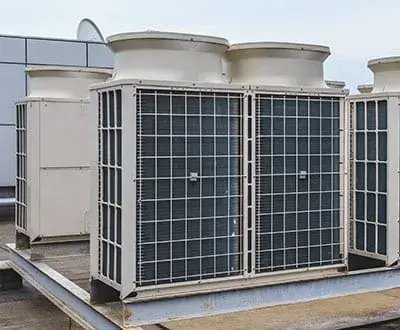
Installation labor. Labor is the often under-appreciated part of the cost. Proper installation matters at least as much as the equipment brand. An experienced HVAC contractor in Wood River will charge for careful mounting, refrigerant charging, duct transitions, and testing. Skimp on labor and you get reduced efficiency and more repairs down the road.
Removal and disposal. Disposal of the old unit and recovery of refrigerant adds to the bill. Proper refrigerant recovery is required by federal regulations and is standard practice for reputable contractors.
Real examples from the field
A customer in a 1960s bungalow had an old window-unit mix and ductwork that was half-closed, with sagging flex runs in the attic. Replacing that with a single properly sized central system required cleaning and reattaching ducts, sealing several joints, and replacing an undersized return. The job landed around $8,300. The homeowner could have spent $5,000 on equipment alone, but the upfront investment in ducts produced even cooling, reduced humidity swings, and a quieter system.
Another homeowner converted a heat-pump-only system to a split system because their winter heating needs were minimal and their existing outdoor compressor had failed. They chose a mid-efficiency 15 SEER unit and performed only minor duct sealing. The final invoice was about $4,200. Trade-offs included slightly higher operating costs in hot months versus the more expensive high-efficiency alternative.
When to spend more and when you can save
Spend more when you value comfort and long-term savings. If you have high summer use, a unit with a higher SEER rating and a two-stage or variable-speed compressor will cost more up front but lower monthly bills, improve AC maintenance in Wood River IL humidity control, and reduce temperature swings.
Spend carefully when your envelope is leaky. If the home has poor insulation, single-pane windows, or major envelope losses, an ultra-efficient AC will still struggle. Addressing insulation and air sealing first often yields higher comfort per dollar spent than upgrading to the most expensive equipment.
Financing and incentives
Many homeowners choose to finance part of the installation. Local contractors and lenders offer financing options that allow you to spread costs over several years. Compare interest rates and read the terms carefully. Remember that a zero or low interest promotional offer can become expensive if you miss payments or the deferred interest period ends early.
Look for utility rebates or manufacturer incentives. Efficiency programs at the state or utility level sometimes offer rebates for high-SEER equipment or heat pumps. Ask your HVAC contractor in Wood River to check current incentives. Manufacturers will also run seasonal promotions that reduce the equipment cost.
How to get an accurate estimate
Start with a home visit. A responsible contractor performs a load calculation, often using a Manual J approach or similar method, rather than sizing a system based on a rule of thumb. This calculation considers square footage, insulation levels, window area, sun exposure, and occupancy. A proper load calc prevents oversizing, which wastes energy licensed AC installation Wood River and shortens equipment life, and avoids undersizing, which leaves rooms hot.
Ask for detailed bids. A good estimate itemizes equipment, labor, permits, electrical work, ductwork, and warranty details. If bids vary widely, ask why. Differences often boil down to equipment brand, warranty length, and whether the contractor includes duct sealing, refrigerant charging to specification, or start-up testing.
Check references and recent work. Request examples of installations in your neighborhood or local references. Seeing finished work and talking to recent customers reveals workmanship and reliability more than a glossy estimate.
Negotiating without compromising quality
You can negotiate, but focus on trade-offs rather than just the lowest price. For example, getting a lower price by choosing a lower-efficiency unit might save money now but cost more in energy over five years. Conversely, if you plan to sell within a year, a midline system with a solid warranty may be the most cost-effective choice.
Do not accept vague promises. If a contractor claims an exact price without inspecting ducts or electrical, that number is a placeholder. A small fixed fee for a diagnostic visit to produce a firm bid is a reasonable approach.
Maintenance and long-term costs
Installation is one event in a 15 to 20 year relationship with your HVAC system. Annual maintenance keeps warranties valid, preserves efficiency, and extends system life. Expect routine maintenance costs in the range of $100 to $250 per year if you buy a basic tune-up service. These visits typically include filter checks, refrigerant pressure checks, condensate drain inspection, and safety tests.
Neglected systems are more expensive. Dirty coils, clogged filters, and unbalanced ducts force the compressor to work harder and fail sooner. Budgeting for maintenance is a form of risk management.
When you might need HVAC repair in Wood River shortly after install
A poor installation or an overlooked mismatch can lead to early problems. Undercharged refrigerant, improperly set airflow, or an undersized evaporator coil cause short cycling and reduced cooling. That is why a post-installation performance check and written start-up report are worth asking for. If you encounter frequent call-backs, document them and push for corrective action under the installer’s workmanship warranty.
Selecting a contractor you can trust
Credentials matter. Look for a licensed HVAC contractor in Wood River and technicians with EPA refrigerant handling certification. Check if they carry liability insurance and workers compensation. Further assurance comes from local references and a visible presence in the community.
A contractor who offers a written, multi-year workmanship warranty on top of the manufacturer’s warranty gives you leverage if something fails. Ask specific questions about who will handle warranty service, how long parts and labor are covered, and whether warranties are transferable if you sell the house.
Keywords and local services
If you need AC Repair in Wood River IL, prioritize a firm that responds quickly and provides transparent pricing. For AC installation in Wood River, select a contractor experienced with the local building codes and typical home construction. Regular AC maintenance in Wood River reduces the likelihood of mid-summer failures and keeps efficiency high. For broader issues that include heating, HVAC repair in Wood River covers both winter and summer needs. When evaluating firms, search for "HVAC contractor in Wood River" and ask how long they have worked in the area. Companies such as B & W Heating & Cooling often appear on local lists; evaluate any contractor on responsiveness, references, and written estimates rather than on a name alone.
A short checklist to get started with budgeting (use it to prepare before estimates)
- schedule a diagnostic visit with a reputable local contractor so they can perform a load calculation and inspect ducts and electrical request itemized, written bids that include equipment model numbers, SEER ratings, labor, permits, and any included maintenance or warranty ask about available financing, utility rebates, and manufacturer promotions that reduce upfront cost compare not just price but scope of work, brand, and the installer’s reputation for quality budget at least 10 to 15 percent of the estimated installation cost for unexpected issues discovered during work
Common upgrade choices and their typical impact
Selecting a higher SEER rating increases upfront cost but reduces operating expenses. Moving from a mid-efficiency unit to a high-efficiency two-stage or variable-speed system often raises purchase price by 15 to 40 percent. The long-term payback depends on your electricity cost and how heavily you run the system.
Upgrading the thermostat to a smart model improves comfort and can save 5 to 15 percent on cooling costs through better scheduling and setback strategies. Duct sealing and adding a dedicated return can improve airflow for a much smaller investment than equipment upgrades when the ducts are the bottleneck.
Adding zoning gives room-by-room control and can be worthwhile in homes with large temperature differences, though the cost of dampers and controls can be several thousand dollars. In many cases, basic improvements in airflow and insulation deliver similar comfort gains at lower cost.
Red flags to watch for
A bid that is significantly lower than others without line-item detail is a red flag. So is pressure to sign immediately or a refusal to provide references. Beware of contractors who plan to use refrigerant recovery shortcuts or do not pull permits when required. Ask directly about permit pulling and proof of inspection.
Final practical tips
Start early in the season, before peak summer demand. Contractors are busiest in June and July. Scheduling in spring or fall can provide more flexibility, faster start dates, and sometimes better pricing.
Retain documentation. Keep the load calculation, equipment model numbers, warranty paperwork, and the start-up checklist. This documentation proves warranty claims and helps future technicians service the system correctly.
Consider the whole home. Running a high-efficiency AC in a leaky house still leaves you with uneven temperatures and higher bills. A modest investment in insulation and sealing often raises comfort faster than jumping to the top-tier equipment.
If you want help getting started, contact a local professional for a diagnostic visit. Ask for an itemized estimate, confirm licensing and insurance, and insist on a written start-up and performance check. That disciplined approach turns the biggest summer headache into a predictable budget item and leaves you with a cooler, quieter, more reliable home.
Whether you need AC Repair in Wood River IL today, are planning AC installation in Wood River for next spring, or want ongoing AC maintenance in Wood River, a clear budget and a trusted HVAC contractor in Wood River will keep the process straightforward. Firms like B & W Heating & Cooling may be part of your local options; evaluate them and others on workmanship, transparency, and willingness to show past work. The extra time you spend vetting contractors and understanding trade-offs pays off in fewer surprises, lower lifetime costs, and long-term comfort.
B & W Heating & Cooling
3925 Blackburn Rd, Edwardsville, IL 62025
(618) 254-0645
[email protected]
Website: https://www.bwheatcool.com/